
Compare Local Contractors for Water Damage Restoration Services
Compare local contractors for water damage restoration to define project scope, verify experience, and set clear expectations in writing.
Water damage restoration contractors handle a range of services aimed at repairing and restoring properties affected by water intrusion. This typically includes water extraction, drying and dehumidification, mold prevention, and structural repairs. The scope of work can vary depending on the extent of the damage, the source of the water, and the materials involved. Clear communication about what the restoration process will cover helps property owners understand what to expect and ensures that all necessary steps are included to fully address the damage.
Defining the scope of work is a critical step in choosing a contractor for water damage restoration. A well-detailed scope helps prevent misunderstandings and sets realistic expectations for the project. It should outline specific tasks, the areas involved, and the standards of work to be performed. Having this in writing allows property owners to compare proposals effectively, verify that all aspects of the damage are being addressed, and ensure that the chosen service provider has a comprehensive plan for restoring the property.
When evaluating local contractors, property owners should consider their experience with similar restoration projects, particularly in the local area where building codes and common issues may differ. It’s helpful to review the scope of work proposed by each contractor and ask questions about their methods and materials. Comparing credentials, references, and the details outlined in written proposals can assist in making an informed decision. Ensuring that the scope of work aligns with the property’s needs and that expectations are clearly documented can contribute to a smoother restoration process.
Compare local contractors by outlining project scope, verifying experience, and setting clear expectations in writing.
- Compare Service Providers - Review multiple local contractors to find those best suited for water damage restoration needs.
- Define Project Scope - Clearly outline the work required to ensure accurate understanding between parties.
- Verify Experience - Assess each contractor’s background and previous work related to water damage repair.
- Document Expectations - Keep agreements in writing to ensure clarity and accountability throughout the project.
Clearly describe your water damage restoration project to help compare local contractors, define scope, and verify experience effectively.
- Verify experience and expertise in water damage restoration to ensure contractors are knowledgeable about the scope of work. - Assess whether service providers can clearly define the specific tasks involved in the restoration process.
- Compare multiple contractors to evaluate their approaches and ensure consistency in the scope of work offered. - Look for detailed descriptions of services to understand what each contractor will handle.
- Check that contractors provide a written scope of work outlining the restoration steps and responsibilities. - Ensure all project expectations are documented clearly to avoid misunderstandings.
- Review the contractor’s process for assessing water damage to confirm thorough inspection and identification of affected areas. - Confirm that service providers evaluate both visible and hidden damage comprehensively.
- Ask how contractors plan to handle moisture detection and drying to prevent future issues. - Look for detailed methods used to monitor and control moisture levels during restoration.
- Ensure the scope includes removal of damaged materials and proper cleaning to prevent mold growth. - Confirm that contractors address debris removal and sanitation as part of their scope.
Compare local contractors to clarify scope, verify experience, and set clear expectations in writing.
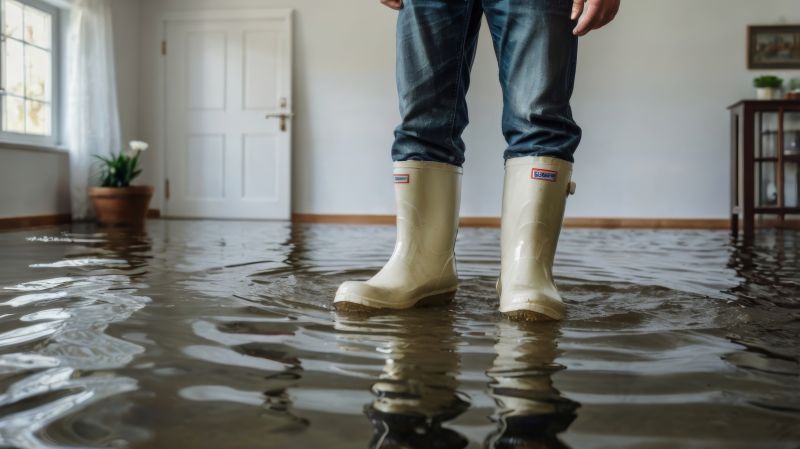
Use clear scope definitions and experience verification to consistently compare local contractors for water damage restoration.
- Scope Definition - Clearly outline the specific areas and extent of water damage to be addressed.
- Work Details - Specify the restoration tasks, including water extraction, drying, and structural repairs.
- Experience Verification - Confirm the contractors’ experience with similar water damage restoration projects.
- Material and Equipment Use - Identify the types of materials and equipment that will be utilized during restoration.
- Written Agreement - Ensure all project scope, responsibilities, and expectations are documented in a formal agreement.
When evaluating water damage restoration contractors, it is important to consider their experience with similar projects. Homeowners should inquire about the types of water damage they have handled and the scope of work they have completed in the past. A contractor with a proven track record in residential water damage restoration is more likely to understand the complexities involved and deliver effective results. Asking for details about previous projects can help gauge their familiarity with situations comparable to the current needs.
A clear and detailed written scope of work is essential to ensure expectations are aligned. Service providers should be able to outline the specific steps they will take, the areas that will be addressed, and the methods they plan to use. This documentation helps prevent misunderstandings and provides a reference point throughout the restoration process. Homeowners are encouraged to review and clarify the scope before any work begins, making sure it accurately reflects the extent of the damage and the desired outcomes.
Verification basics are key when comparing contractors. While licensing and certification are not the focus, homeowners should verify that the service providers are properly insured and have a reputation for quality work. Checking references or reviews from previous clients can provide insight into their reliability and professionalism. It is also helpful to confirm that the contractor has the necessary experience with the specific type of water damage involved, whether from leaks, flooding, or other sources.
Evaluating options without focusing on prices involves assessing the professionalism and transparency of each contractor. Consider how thoroughly they explain their approach, their willingness to provide detailed written scopes, and their responsiveness during initial discussions. A contractor who communicates clearly and demonstrates expertise through their explanations is more likely to be capable of handling the project effectively. Comparing these qualities across several service providers can help identify the best fit for addressing water damage restoration needs.
Ask contractors to provide written scope of work to ensure clear expectations and consistent project details.
- Experience and expertise - How can I verify the contractor’s experience with water damage restoration projects similar to mine?
- Scope of work - What specific services are included in their restoration process, and how do they define the project scope?
- Written estimates and documentation - Do they provide detailed, written descriptions of the work to be performed and the expected outcomes?
- Comparison of services - How do local contractors differ in their approach to water damage restoration, and what should I look for?
- Communication and clarification - What questions should I ask to ensure the contractor clearly explains the restoration process and scope?
What should I consider when choosing a contractor for water damage restoration? It’s important to compare local service providers based on their experience, scope of work, and reputation. Ensuring clear communication about project expectations and verifying their familiarity with water damage repair can help find the right fit.
How can I verify a contractor’s experience with water damage restoration? Ask potential contractors about their previous projects and the types of water damage they have handled. Checking references or reviews can provide additional insight into their expertise and reliability.
What questions should I ask to define the scope of water damage repair? Clarify what services are included, such as water extraction, drying, mold prevention, and repair. Confirm that the scope aligns with the extent of damage to ensure all necessary work is covered.
Why is it important to have written agreements with contractors? Written agreements help set clear expectations, specify the scope of work, and provide a record of commitments, reducing misunderstandings during the restoration process.
How can I compare different water damage restoration contractors effectively? Review their experience, scope of services, and reputation. Request detailed descriptions of their work process and ensure they understand your specific needs before making a decision.
What should I look for in a contractor’s communication about water damage restoration? Look for clear, detailed explanations of the work involved, the scope of services, and how they plan to address your specific situation. Good communication helps ensure everyone is on the same page.
This page has provided an overview of how to find and evaluate contractors for water damage restoration. Visitors learned the importance of defining the scope of work, verifying the experience of service providers, and setting clear expectations in writing to ensure a smooth process. Comparing options among local contractors can help identify those best suited to handle the specific needs of each project.
To explore local service providers capable of managing water damage restoration, use the quote form to compare options in your area. This approach allows for a straightforward way to connect with experienced contractors who can meet your requirements and provide the services needed.